
Because the road will still be there, even if your hamstring has decided to take an extended vacation.
If you’ve ever been taken out by a running injury, you know how it goes. First comes denial and the run-through-it frame of mind. Then bargaining… I mean, sure, yoga then run MIGHT work. Finally, acceptance, where you find yourself on the couch, scrolling through everyone else’s race photos and living vicariously.
Injuries are frustrating. They interrupt routines, derail training plans, and occasionally have us wondering whether we should take up a safer hobby, like competitive napping. But the good news is that a smart, patient return to running can help you get back to doing what you love. It can even make you a stronger, more resilient runner in the process.
____________________________________________________________________________________
The trick? Don’t treat your comeback like a race. Your injury doesn’t care about your spring marathon PR, your training spreadsheet, or the fact that your running buddies have been suspiciously cheerful without you.
Read more to learn how to keep a good pace in your recovery and get back on the running trail.
First things first…..REST! We know, rest is boring. Ice packs aren’t fashionable. And “take a few days off” sounds suspiciously like something invented by people who don’t know what not running can do to your mental well-being. But pain is information, not a personal challenge or punishment.
Before returning, make sure your injury has been appropriately assessed, especially if the pain was severe, persistent, recurrent, or affected your ability to walk. A healthcare professional or physical therapist can help determine what you’re ready for and whether you need targeted rehabilitation.
For some minor injuries, a gradual return may be straightforward. For others, particularly bone stress injuries, significant tendon problems, or post-surgical recoveries, the timeline and requirements can be very different.
Remember, tolerating everyday activities without worsening symptoms is a useful starting point, but it doesn’t automatically mean you’re ready to run. Your body needs to be ready for the specific demands of running, not just the demands of walking to the mailbox.
________________________________________________________
Next, start back slowly. Your fitness might have faded a little, but your enthusiasm probably hasn’t. That’s where things can get convoluted.
After a few weeks off, it’s tempting to lace up and pick up where you left off. Unfortunately, your cardiovascular system, muscles, tendons, and bones don’t all regain fitness at the same rate. Instead, think of your comeback as a new part of your training plan, week -1. Then to week 0. Then back on it to week 1.
Depending on your injury and recovery, your return might begin with walking, progress to walk-run intervals, and eventually build toward continuous easy running.
What does that look like? Here’s an example: a runner who has been cleared to resume running might start with:
- A 5-minute brisk walk to warm up.
- Short, easy running intervals separated by walking.
- A few minutes of walking to cool down.
- A quick check-in with their symptoms later that day and the following morning.
Remember, if it starts to hurt, or feels weak, or whatever uneasy symptom you may have, it’s OK to stop. Coming back from injury takes patience, but you don’t want to take a too quick step forward just to be forced to take 4 steps back.
And please, leave the GPS pace screen alone for a while. If your watch announces that you’re running slower than your neighbor walks their dog, simply remind it that you’re rebuilding, not trying to qualify.
One of the biggest mistakes runners make is judging a workout entirely by how it feels in the moment. Live by the 24-hour rule.
You might feel fantastic during a run, only to wake up the next morning with a knee that sounds like a bowl of Rice Krispies. That’s why monitoring your response after exercise matters.
Pay attention to how your body feels during your run, later in the day, and the next morning.
A mild, familiar sensation may be acceptable in some rehabilitation plans, but sharp pain, escalating pain, limping, swelling, or symptoms that persist or worsen deserve attention. Bone stress injuries and some other conditions require stricter pain-free guidelines.
If symptoms flare, don’t try to negotiate with your body like you’re haggling at a flea market. Reduce or stop the provoking activity and seek professional advice when appropriate. Progress is not just how far you run; it’s how well you recover from running.
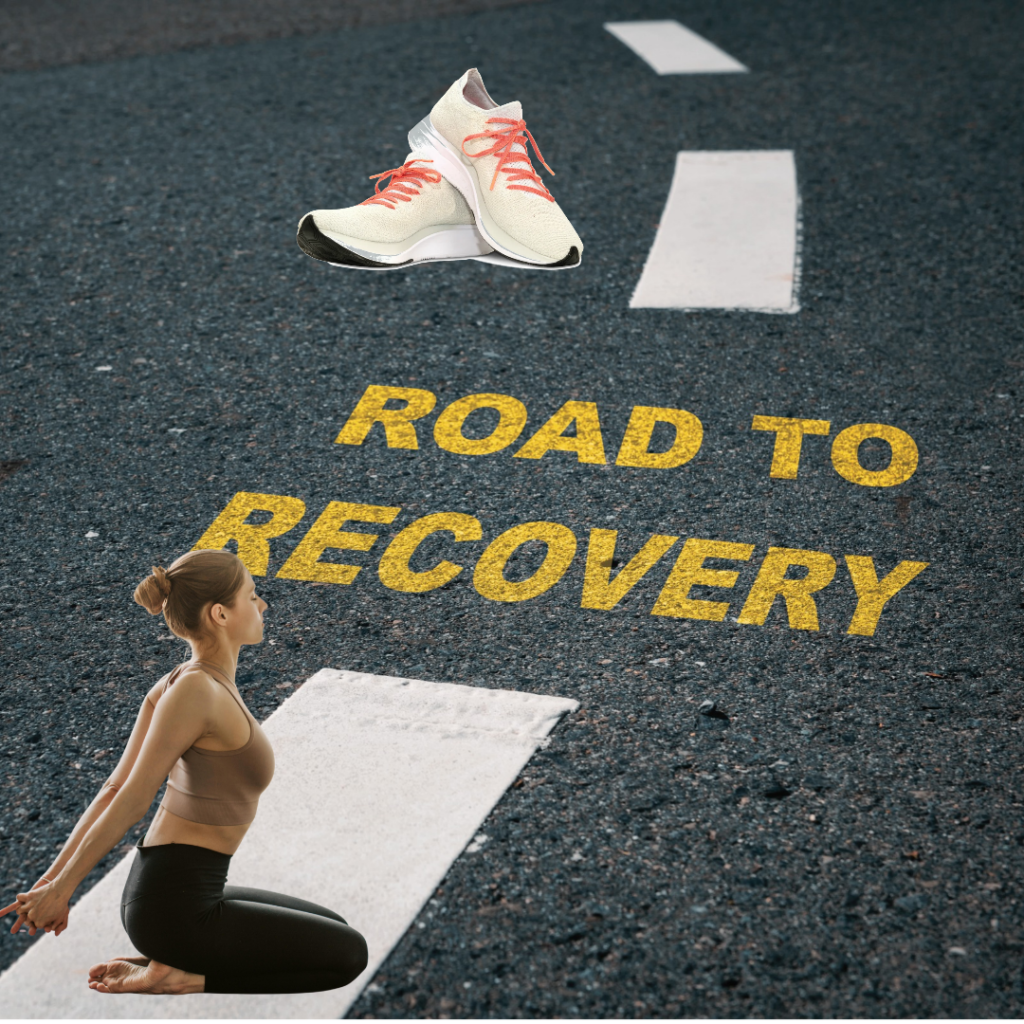
Oh, and guess what?! You do not owe your training plan any back mileage. There is no training plan bookie coming to collect, so walk away from the mileage you missed.
Trying to compensate for lost training by increasing mileage, speed, hills, and frequency all at once is a great way to turn a short break into a sequel nobody requested.
Instead, rebuild gradually. Increase running time or distance in manageable steps, and keep most early runs easy enough to hold a conversation. Add only one new challenge at a time and allow recovery days between runs as needed. Recovery is key! Plus, you can reintroduce speedwork, hills, and long runs only when your body is tolerating easier training consistently. Those come last.
There is no magic percentage that works for every runner or every injury. Progress should be guided by your symptoms, recovery, training history, and any specific rehabilitation recommendations. Your old running pace isn’t in the past; you could get there again if you do it right.
____________________________________________________________________________________
Another excellent thing to do is to take up strength training. Runners tend to, well, run! But whether you’re coming back from injury or not, strength training is an excellent cross-training activity to put into your plan.
For coming back from an injury, appropriate strength work can help rebuild capacity, improve muscular strength, and prepare you for the demands of running. Depending on your injury, a physical therapist may recommend exercises targeting the calves, quadriceps, hamstrings, glutes, hips, or other relevant areas.
The key word is appropriate. The goal isn’t to emerge from rehab with the ability to deadlift a small car. It’s to develop the strength and control your body needs to tolerate running.
Start with exercises suited to your current ability, then progress resistance and complexity as you improve. If a particular exercise aggravates your injury, don’t assume that suffering through it earns bonus recovery points; stop doing it.
And while we’re at it, don’t forget the basics: good sleep, enough food to support recovery, and rest between demanding sessions. Your body is doing construction work. Maybe don’t deprive the construction crew of supplies and then complain that the project is behind schedule.
________________________________________________________
Runners are excellent at celebrating big achievements: personal records, marathon finishes, age-group awards, and all that jazz. But we are less skilled at celebrating the small stuff.
During recovery, the small stuff IS the big stuff. Celebrate your first comfortable walk. Celebrate completing a rehab session. Celebrate finishing a short run without symptoms worsening the next day. Celebrate the first time you realize you’ve stopped thinking about your injury every 14 seconds. These milestones are evidence that you’re rebuilding capacity.
Try not to compare your comeback with someone else’s highlight reel. You don’t know what their recovery looked like, and their timeline isn’t a verdict on yours.
Your job is to make progress from where you are today—not to compete with the runner you were six months ago. Besides, nobody ever won a medal for returning to injury the fastest and then immediately getting injured again.
__________________________________________________________________________________________
Coming back from injury requires more than strong legs and a decent pair of shoes. It takes patience, consistency, self-awareness, and the willingness to adjust your plans when your body asks you to.
You might need to run slower than you’d like. You might need to walk when your watch says you’re supposed to run. You might have to watch your friends tackle a race while you cheer from the sidelines, clutching a coffee and offering unsolicited pacing advice. And that’s A-OK!
Running will still be there when you’re ready. And returning thoughtfully gives you a better chance of enjoying the sport for the long haul.
So, take your time. Follow your rehab plan and build gradually. Always celebrate progress. And remember that the goal isn’t simply to get back to running, it’s to get back to running in a way that lets you keep running.
Because the only thing worse than missing a few weeks of training is spending the next few months explaining to everyone how you’re out for even longer because you moved in too fast.
Rest, recover, and be patient with yourself, and you’ll be back in those soul-healing Brooks in no time at all!
NOTE: This was not written by a medical professional and is not intended as professional medical advice. Please seek professional medical attention when needed.


